Two Years Hidden in the Namib Desert
How two German geologists chose to vanish into the desert in 1940 rather than be interned — and the book that emerged from their flight.
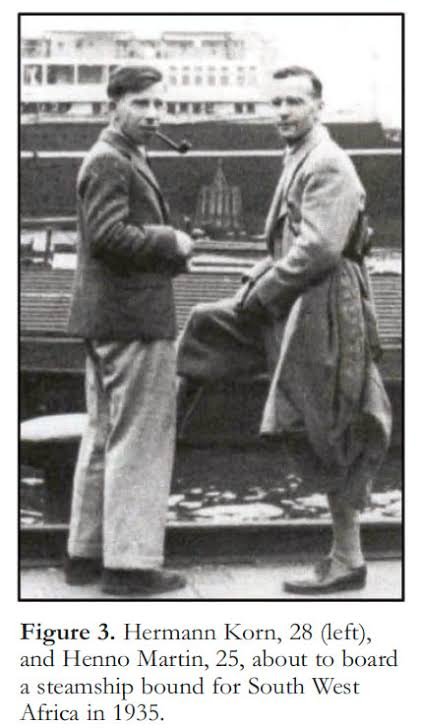
There are stories that sound too crazy to be true — and that’s exactly why they stay with you. The story of Henno Martin and Hermann Korn is one of them. Two young German geologists, freshly graduated, emigrate to South West Africa, today’s Namibia, in 1935. Five years later, they voluntarily disappear into the desert with a pistol, a shotgun, and a dog named Otto — and only resurface two and a half years later.
Anyone traveling through the Kuiseb Canyon will sooner or later come across their traces. And anyone who has read their book “Wenn es Krieg gibt, gehen wir in die Wüste” (If There’s War, We Go Into the Desert) will see the Namib with different eyes.
If these stories mean something to you
The Oddity Expedition is written slowly — somewhere between dusty roads, long bus rides, forgotten border towns and the quiet moments in between.
If a story stayed with you, you can help keep this journey alive.
☕ Support the journey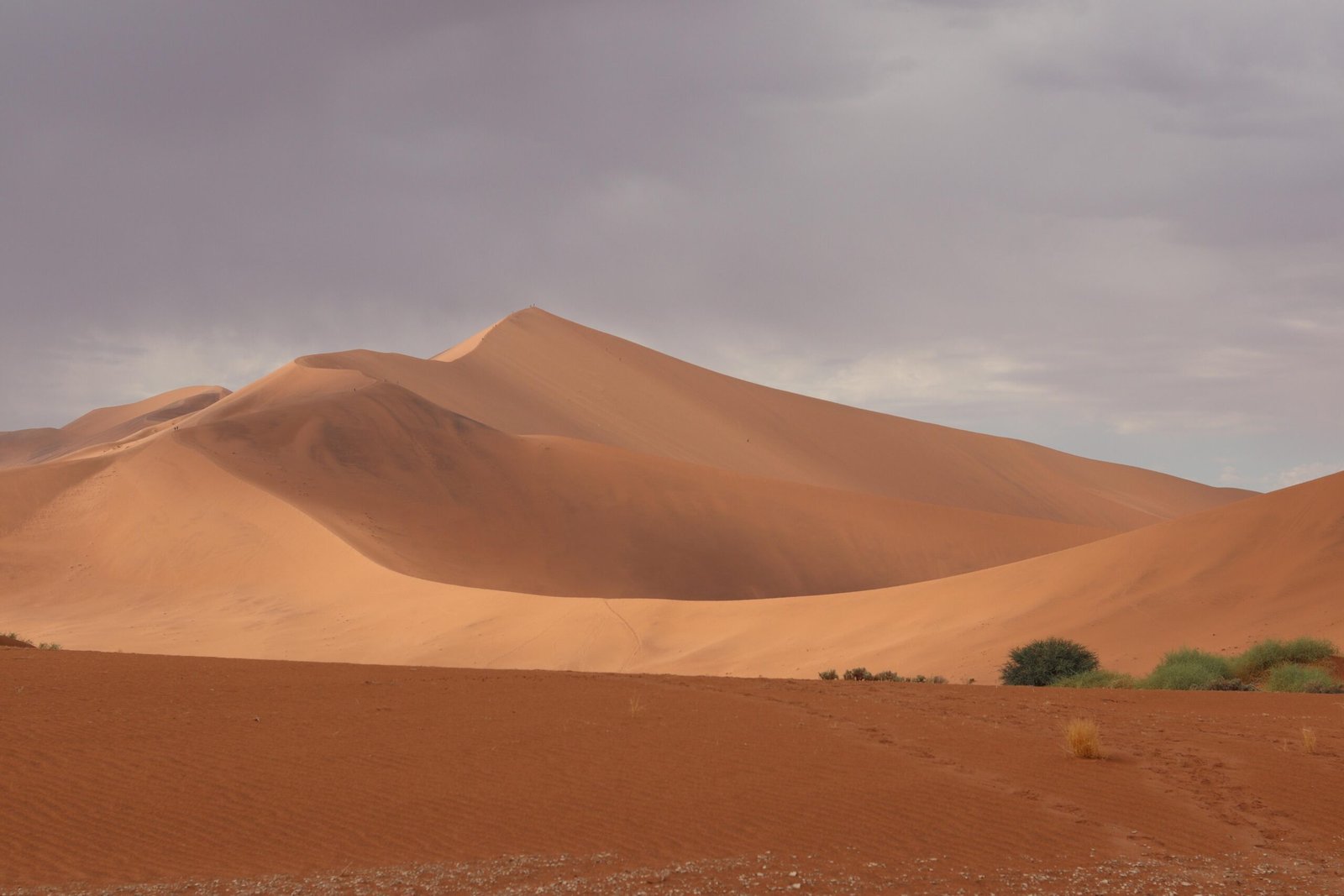
Two Geologists Fleeing Nazi Germany
Henno Martin, born in 1910 in Freiburg, and Hermann Korn, three years older and from Seggerde in Saxony-Anhalt, met as students in Bonn, both doctoral candidates under Hans Cloos. When Hitler came to power in Germany, the two friends decided to turn their backs on the country. In 1935, they set off for South West Africa — without any government research mandate, simply on their own initiative. Arriving in Walvis Bay, they began geological mapping of the Naukluft Mountains and searched for water sources on behalf of farmers. It was pioneer work in an area that was still largely unexplored at the time.
The Plan: Disappear Before Being Interned
With the outbreak of World War II, everything changed. The South African mandate administration began interning men of German descent as “enemy aliens” in camps. For Henno Martin and Hermann Korn, this was not an option. They had left Germany because they wanted nothing to do with the regime — and saw no reason why they should now pay for a war they themselves opposed.
So they devised a daring plan. On May 25, 1940, they packed two vehicles, deliberately left false tracks in their house in Windhoek, and set off seemingly toward the Brandberg. At nightfall, they turned off, drove only at night from then on to avoid detection from the air, and finally disappeared into a labyrinth of shale gorges in the upper catchment area of the Kuiseb River.
With them: Hermann’s dog Otto, a shortwave receiver as their only connection to the outside world — and no hunting equipment except a pistol and a shotgun. Kuiseb Canyon, May 1940
Living Like in the Stone Age
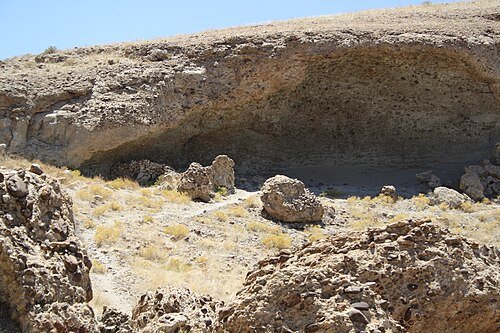
What followed were two and a half years in complete isolation. Over time, the two men occupied three different shelters, depending on where water and game could be found. The first, a natural cave in the canyon’s limestone crust, is now marked on hiking maps as the “Henno Martin & Hermann Korn Shelter.” They later moved to Nausgomab, where more oryx antelopes could be found and where they even built a simple rainwater catchment system from the rocks. The third stop was a place called Baboon’s Hole.
Their daily life consisted of hunting, painstakingly finding water sources, and endless conversations about philosophy, natural science, and the question of what makes humans human. It is precisely this mixture of bare survival and intellectual exchange that makes the later book so special. They admired the desert that surrounded them as much as they suffered under it — to survive, they had to kill the very animals they admired.
What Happened to Them Next
Here the story takes another turn that surprises many readers. Hermann Korn worked again in water development after the war — but died just four years after returning from the desert, in a car accident near Windhoek in 1946. His grave is on the main cemetery of Windhoek. His watercolors from the desert years were only published posthumously decades later.
Henno Martin, on the other hand, had an impressive scientific career. He led the Geological Survey of Namibia for twenty years and played a key role in providing Windhoek with a reliable, large-scale water supply for the first time — a nice twist, considering what his career once began with. Later, he taught at the University of Cape Town, held a visiting professorship in São Paulo, and was finally appointed Chair of Geology at the University of Göttingen in 1965, where he died in 1998 at the age of 87.
The Book: “Wenn es Krieg gibt, gehen wir in die Wüste”
His account, written for his wife based on his diaries and memories, was first published in 1956 under this title, with the apt subtitle “A Robinsonade in the Namib.” Internationally, it became known as The Sheltering Desert and remains one of the great classics of Namibian literature to this day.
What makes the book so special is exactly that mixture that also characterized the two men’s daily life: vivid, very concrete descriptions of hunting, water searches, and improvised shelters, interspersed with philosophical reflections on man and nature. Those expecting a classic adventure novel will be surprised by the thoughtful passages — and vice versa. Some views from the 1940s seem strange from today’s perspective, which is hardly surprising for a book over eighty years old.
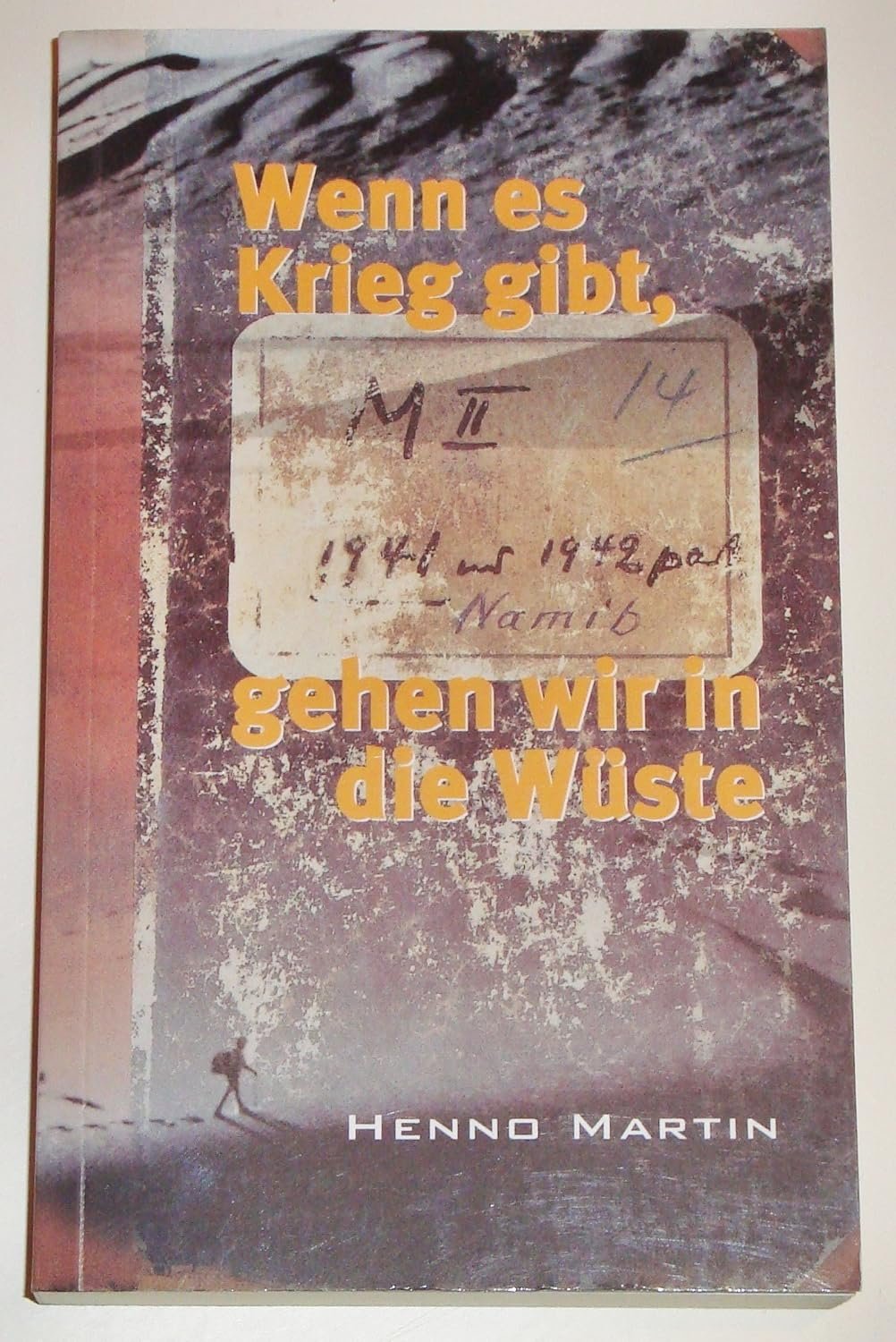
Wenn es Krieg gibt, gehen wir in die Wüste
Henno Martin
The original account of the two and a half years in the Kuiseb Canyon — essential reading for any Namibia trip.
View on AmazonThe Film About the Story
If you prefer to experience the story in moving images: On YouTube, there is a documentary that recounts the events surrounding Henno Martin and Hermann Korn and shows the original locations.
Video: YouTube
Visiting the Traces Today
Those traveling through Namibia can trace the scenes from the book. The most famous spot, the “Henno Martin & Hermann Korn Shelter,” lies along the C14, shortly after crossing the Kuiseb Pass toward Walvis Bay — signposted, but easy to miss if you’re not specifically looking for it. An unpaved track leads from the main road directly into the canyon, and a short walk brings you to the former fire pit of the two. The barren, at times almost surreal beauty of the Kuiseb Canyon can be experienced up close here — and suddenly you understand much better how two people could actually survive here for two and a half years.
Conclusion
The story of Henno Martin and Hermann Korn is more than a curious footnote in Namibian history. It tells of how far people will go to stay true to their own convictions, and what the desert does to you when you are truly at its mercy. Anyone traveling through Namibia next should definitely pack “Wenn es Krieg gibt, gehen wir in die Wüste” in their luggage — and perhaps even plan the detour to the Kuiseb Canyon.