What Travelers Really Carry – The Invisible Challenges on the Road
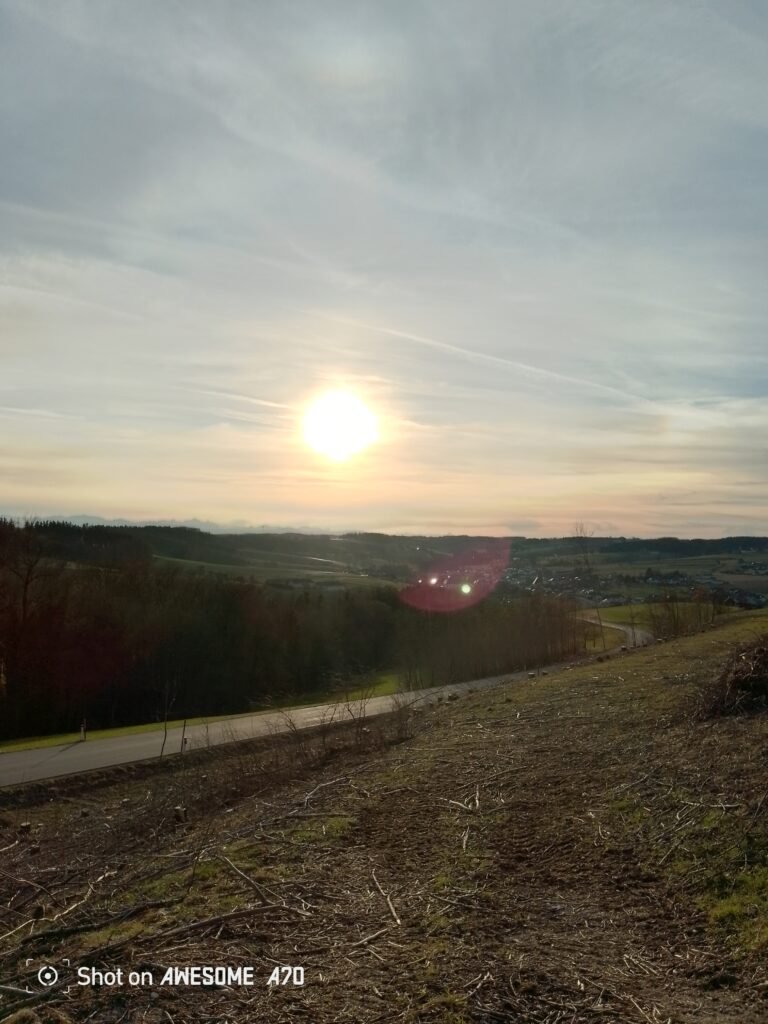
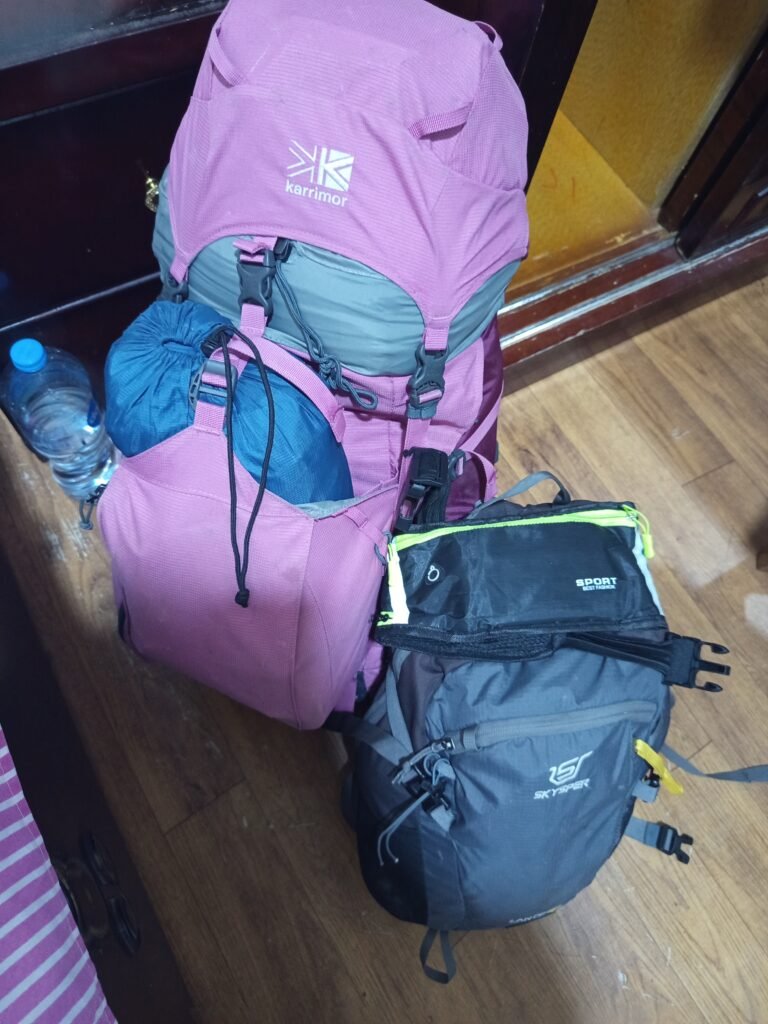
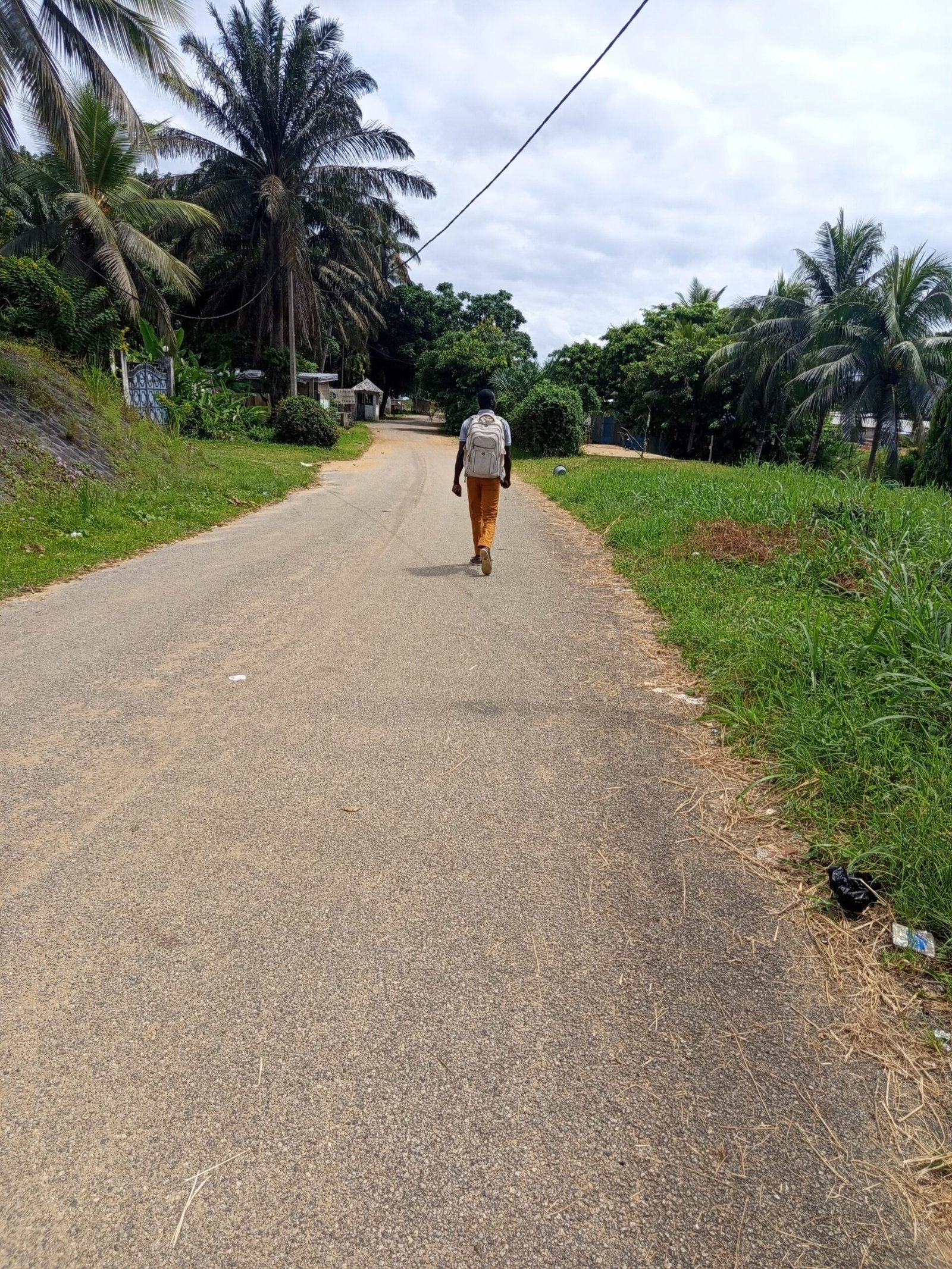
There’s that photo. The dusty 4×4 with a rooftop tent, sunset behind it. Or the backpacker with the giant pack on a suspension bridge somewhere in Southeast Asia. Or the person on the train, notebook on their lap, mountains through the window. Freedom. Adventure. The life you imagine.
What the photo doesn’t show – what it never shows – is everything that happens in the hours before and after. The exhaustion. The decisions that no one else makes for you. The negotiating, organizing, improvising. The moments when you ask yourself why you’re actually doing this.
If these stories mean something to you
The Oddity Expedition is written slowly — somewhere between dusty roads, long bus rides, forgotten border towns and the quiet moments in between.
If a story stayed with you, you can help keep this journey alive.
☕ Support the journeyTravel is one of the most liberating experiences a person can have. But it’s not easy. No matter how you travel – by vehicle, with a backpack, with a plan or without. Every travel style has its own invisible burden. And it’s high time we talked about it honestly.
Overlanders: when home also has to keep working
Overlanders carry perhaps the most visible luggage of all – literally. A vehicle that is simultaneously transport, bedroom, kitchen, tool kit, and emergency center. And all of it has to work. Every day. Because if it doesn’t, everything else stops.
What looks like ultimate freedom from the outside is, from the inside, often an ongoing logistics project. The vehicle needs maintenance – oil, tires, batteries, solar system, water tanks. Diesel must be sourced, and in some regions poor-quality diesel isn’t rare, it’s the rule – with potentially serious consequences for the engine. Spare parts for a specific vehicle model are often simply unavailable in West Africa or Central Asia. So you carry them with you as best you can, and hope you’ve brought the right ones when it matters.
Then there’s the bureaucracy of crossing borders. A Carnet de Passages – a kind of passport for the vehicle – is mandatory in many countries and requires a deposit that can equal the vehicle’s value. Temporary vehicle import permits, motor insurance that has to be reissued at each border, registration documents that some officers recognize and others have never seen before. Every border is a new bureaucratic project – prepared for, but never fully predictable.
And then there are the checkpoints. Military, police, customs, sometimes hard to tell apart. Show documents, explain, wait. Sometimes friendly, sometimes not. Sometimes with a “fee” that exists nowhere officially. Paying too much makes you a target for the next checkpoint. Paying too little can mean hours-long delays. This is a social skill you learn on the road – and you pay for it while you learn.
Where to sleep tonight? Wild camping sounds romantic. But it’s not legal everywhere, not safe everywhere, and not always easy to find. Overlanders learn to read places – whether a road is quiet enough, whether the surroundings seem safe, whether you can park the vehicle so that you can leave quickly in an emergency. Apps help. But no algorithm can replace what you develop over time: a sense for places.
Backpackers: lighter on the road, heavier in the mind
Backpackers travel with less luggage. No vehicle to keep running, no campsite to find. But that doesn’t mean it’s easier. It just means the challenges lie elsewhere.
The basic logistical work is the same: arranging visas, researching routes, assessing the political and security situation, understanding how money works in this country. Which bus leaves when, really? Does the night train still exist? Is the price on the website correct, or does it only apply to locals? When is the border open? Do I need a visa for that which I can only get in the capital?
Every one of these questions you answer yourself. Always. There’s no travel agency smoothing the path, no boss making decisions for you. Every decision – large or small – rests with you, and over time that accumulates. It has a name: decision fatigue. When you have to decide dozens of small and large questions alone every day, it wears you down eventually – even if no single decision is hard.
And then there’s the foreigner price. Not just for overlanders, but for every traveler: the friendly smile markup, the taxi driver who takes a different route, the market stall with double the price. This isn’t bad faith – it’s often simply economic logic in countries with huge income disparities. But it costs energy. Not the money. The constant vigilance, the perpetual assessment, the negotiating as a default state.
The invisible burden: everything you don’t post
There’s an experience that nearly every long-term traveler knows – whether by vehicle, with a backpack, or somewhere in between. The moment, somewhere in a hostel room or on a campsite or in a cheap guesthouse, when you think: Why are others enjoying this and I’m not?
Travel burnout is real. It’s not a sign of weakness, not a failure, not proof that you’re “not cut out for travel.” It’s the natural consequence of starting over, again and again, for months on end. New places, new languages, new rules, new people. The brain processes it – and at some point it needs a break that the constant onward movement doesn’t provide.
Then there’s loneliness. The real, deep loneliness – not the romantic solipsism of “traveling alone,” but the moments when you’re sick and have no one. When something beautiful happens and there’s no one to share it with. When back home someone gets married or has a child or dies, and you’re 8,000 kilometers away and can’t be there. These losses accumulate quietly. You rarely talk about them, because it sounds ungrateful – after all, you’re traveling by choice.
And then there’s home, which changes without you being there. Friendships that slowly thin out. The feeling of returning after a long journey and realizing that your own life somehow continued – just without you.
What unites everyone – no matter how they travel
Overlanders, backpackers, slow travelers, digital nomads, long-term travelers of all kinds – they all struggle with the same fundamental questions. Only the form is different.
Everyone has to handle visas themselves. Everyone has to assess the situation in each country – political, security, practical. Everyone will at some point pay too much, get cheated at some point, get stuck somewhere that wasn’t in the plan. Everyone knows the moment when a system that should work doesn’t – the bank, the booking, the app, the border.
And everyone develops something along the way that’s hardly visible from the outside: a quiet, serious competence. The ability to read situations, solve problems without a safety net, live with uncertainty without being paralyzed by it. This competence doesn’t get listed on LinkedIn and rarely appears in résumés. But it’s real. And it grows with every challenge you overcome quietly and without applause.
Why you do it anyway
The honest answer is perhaps this: because the difficulty is part of it. Not as an end in itself, not as proof of toughness. But because the moments when you’re truly alive are often precisely those when you’re challenged. When you don’t know how it will turn out. When you have to improvise and then somehow it works.
The overlander under their vehicle in the midday heat, fixing what needs to be fixed. The backpacker who wakes up on the wrong bus at 3 a.m. and somehow still reaches their destination. The slow traveler who settles into a city they hadn’t heard of three months ago. That’s not Instagram-worthy. But it’s real.
Anyone who travels long-term knows: There’s no travel style without a price. Only the price differs. You pay it with exhaustion, with loneliness, with money, with nerves, with moments when you want to give up. And then the next morning you keep going anyway.
Next time you see a travel photo – the perfect light, the ideal angle, the effortless-looking adventure – you can remember what lies behind it. Not to diminish its beauty. But to give it the respect it deserves.